
What Are Millets?
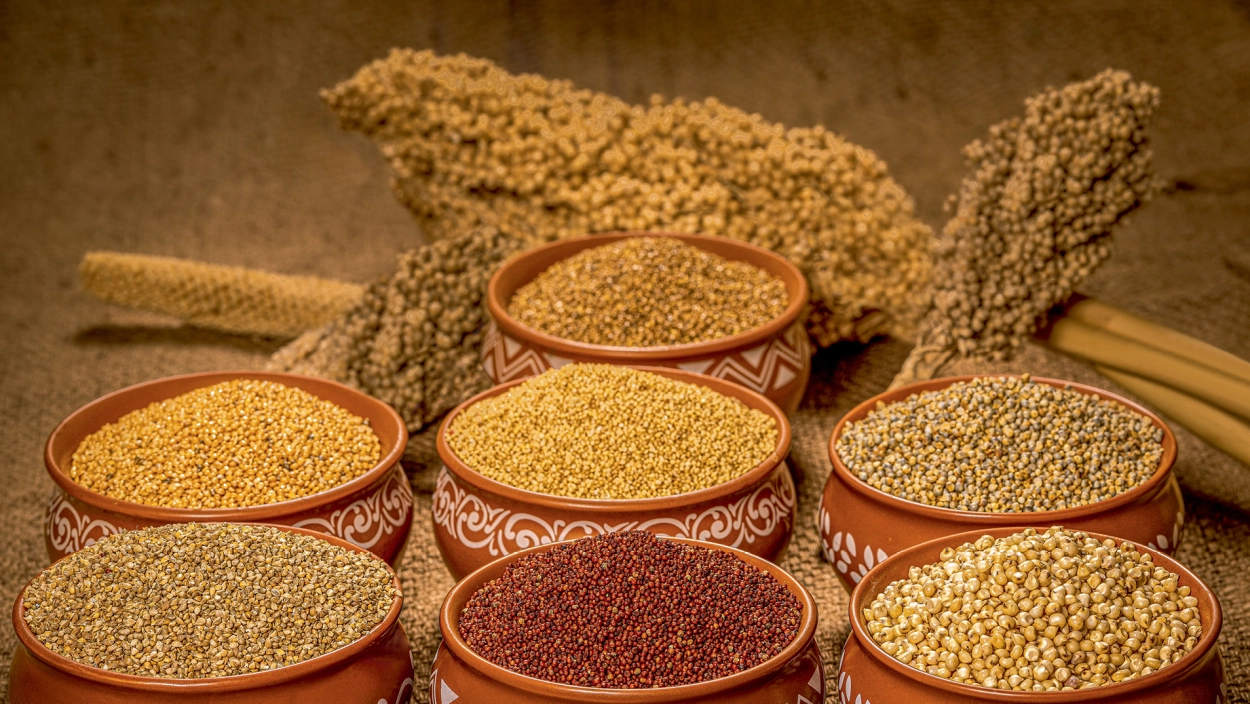
Millets are a diverse group of small-seeded cereal grains that have been cultivated for thousands of years, primarily across Asia and Africa. Unlike widely consumed staples like wheat and rice, millets are incredibly resilient, capable of flourishing in arid regions with minimal rainfall and poor soil quality. Their ability to grow under challenging climatic conditions makes them a sustainable and reliable crop, especially in areas prone to drought, climate change, and land degradation.
From a nutritional standpoint, millets outshine many other grains. They are naturally rich in dietary fiber, plant-based protein, essential vitamins (such as B-complex), and minerals like iron, magnesium, and phosphorus. Being gluten-free, millets are a safe and nutritious option for individuals with gluten intolerance or celiac disease. Moreover, their low glycemic index helps regulate blood sugar levels, making them an excellent choice for people with diabetes or those aiming for balanced energy levels throughout the day.
Drought Resistance and Low Water Requirement
Millets offer a major advantage in their ability to thrive in dry, arid regions with minimal water. This makes them especially valuable in today’s climate, where water scarcity is a growing concern. Unlike water-intensive crops such as rice and wheat, millets require significantly less irrigation. By choosing to grow millets, farmers can conserve water and contribute to sustainable agriculture.
Soil Health and Fertility
Millets are highly beneficial for improving soil health and fertility. With a short growing cycle and deep root systems, they help prevent soil erosion and enhance soil structure. When used in crop rotation, millets contribute to maintaining soil fertility and reducing dependence on chemical fertilizers. These qualities make millets a smart and sustainable choice for farming practices focused on preserving soil health and ensuring long-term agricultural productivity.
Biodiversity and Crop Resilience
Growing millets plays a key role in enhancing agricultural biodiversity and boosting crop resilience. Unlike monoculture farming, which focuses on a single crop over vast areas, millet cultivation embraces a mix of millet varieties and other crops. This diversity strengthens the farming ecosystem, making it more capable of resisting pests, diseases, and the impacts of climate change. Supporting millet farming is a step toward building a more sustainable and resilient food future.
Reduced Greenhouse Gas Emissions
Millets have a significantly lower carbon footprint than many traditional staple crops. They thrive with minimal use of chemical fertilizers and pesticides, which are major contributors to greenhouse gas emissions in agriculture. Moreover, their low water needs reduce the energy required for irrigation. Transitioning to millet-based farming can therefore help lower greenhouse gas emissions and play a vital role in combating climate change.
